In the ever-evolving landscape of biological research, the concept of aging has transcended mere chronological counting of years since birth. Scientists are now delving deeper into the molecular mechanisms that underpin the aging process, with a particular focus on epigenetic modifications. Among these, DNA methylation patterns have emerged as a powerful biomarker for estimating biological age—a measure that reflects the functional state of an organism rather than its calendar age. Recent advancements have led to the development of novel algorithms that predict biological age with unprecedented accuracy, opening new avenues for understanding aging and age-related diseases.
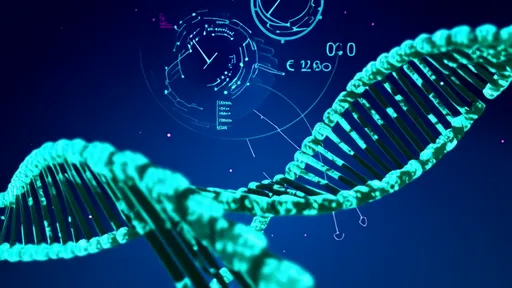
The foundation of this innovation lies in the epigenetic clock, a term coined to describe the correlation between DNA methylation changes and aging. DNA methylation involves the addition of a methyl group to cytosine bases in DNA, typically at CpG sites, which can influence gene expression without altering the underlying genetic sequence. Over time, these methylation patterns shift in a predictable manner, creating a sort of molecular timestamp that can be deciphered to estimate biological age. Early models, such as those developed by Horvath and Hannum, demonstrated the feasibility of this approach but were limited by their reliance on specific tissues or cohorts. The new generation of algorithms aims to overcome these limitations by leveraging machine learning and large-scale datasets to create more robust and universal predictors.
What sets these new algorithms apart is their ability to integrate diverse biological data and account for individual variability. Traditional clocks were often calibrated using linear regression models, which, while effective, could not fully capture the complexity of epigenetic aging. Modern approaches employ sophisticated techniques like deep learning and ensemble methods, which can identify non-linear relationships and interactions between CpG sites. For instance, some algorithms now incorporate information from thousands of CpG sites across the genome, weighted by their importance in aging-related pathways. This not only enhances accuracy but also provides insights into the biological processes driving aging, such as cellular senescence, mitochondrial dysfunction, and inflammation.
The implications of these advancements are profound, particularly in the realm of personalized medicine. By providing a precise measure of biological age, these algorithms can help identify individuals at risk for age-related conditions long before clinical symptoms appear. For example, a person with a biological age significantly higher than their chronological age might be advised to undergo more frequent health screenings or adopt lifestyle interventions to mitigate risk. Moreover, researchers are exploring how these clocks respond to interventions aimed at slowing or reversing aging, such as caloric restriction, exercise, or pharmacological treatments. In clinical trials, epigenetic clocks could serve as surrogate endpoints to evaluate the efficacy of anti-aging therapies, accelerating the development of interventions that promote healthy longevity.
Despite the promise, challenges remain in the widespread adoption of epigenetic clocks. One major hurdle is the variability introduced by technical factors, such as differences in DNA extraction methods, microarray platforms, or sequencing technologies. To address this, recent algorithms are designed to be platform-agnostic, using normalization techniques that allow for cross-study comparisons. Additionally, there is ongoing debate about what constitutes a "gold standard" for biological age, as it is a multifaceted construct influenced by genetics, environment, and lifestyle. Future research will need to refine these models by incorporating multi-omics data—such as transcriptomics, proteomics, and metabolomics—to create a more holistic view of aging.
Ethical considerations also come into play, as the ability to predict biological age raises questions about privacy, insurance, and societal perceptions of aging. For instance, could this information be used to discriminate against individuals based on their predicted healthspan? Policymakers and researchers must work together to establish guidelines that ensure the responsible use of epigenetic data, balancing innovation with protection against misuse.
Looking ahead, the field of epigenetic clocks is poised for rapid growth. As datasets expand and computational methods improve, we can expect even more accurate and informative algorithms. Some researchers are already exploring clocks tailored to specific tissues or diseases, which could provide targeted insights into conditions like cancer or neurodegenerative disorders. Others are investigating the dynamic nature of epigenetic aging, studying how patterns change in response to acute stressors or interventions over short time frames.
In conclusion, the development of new algorithms for predicting biological age through DNA methylation patterns represents a significant leap forward in our understanding of aging. These tools not only offer a window into the biological processes that dictate how we age but also hold the potential to transform healthcare by enabling proactive, personalized approaches to longevity. While challenges persist, the continued collaboration between biologists, data scientists, and clinicians will undoubtedly drive progress, bringing us closer to a future where aging is not just measured, but managed.

By /Aug 27, 2025

By /Aug 27, 2025

By /Aug 27, 2025
By /Aug 27, 2025

By /Aug 27, 2025

By /Aug 27, 2025

By /Aug 27, 2025
By /Aug 27, 2025

By /Aug 27, 2025

By /Aug 27, 2025

By /Aug 27, 2025

By /Aug 27, 2025

By /Aug 27, 2025

By /Aug 27, 2025

By /Aug 27, 2025
By /Aug 27, 2025

By /Aug 27, 2025

By /Aug 27, 2025
By /Aug 27, 2025

By /Aug 27, 2025