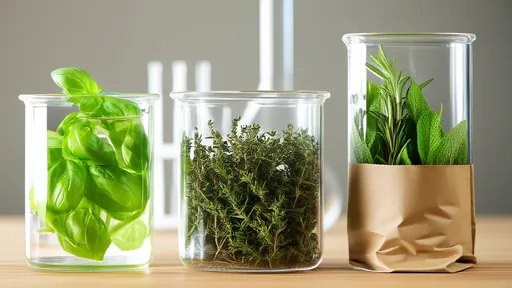
In the world of culinary arts, the preservation of herbs remains a topic of both tradition and innovation. Among the various methods available, hydroponic growing, oil immersion, drying, and freezing stand out as prominent techniques, each with distinct advantages and limitations. Understanding the nuances of these approaches can empower chefs and home cooks to make informed decisions that align with their culinary needs, storage constraints, and flavor priorities.
Hydroponic cultivation of herbs represents a modern, sustainable approach to having fresh flavors readily available. This method involves growing plants without soil, using mineral nutrient solutions in a water solvent. Unlike preservation techniques that aim to extend the shelf life of harvested herbs, hydroponics allows for continuous, on-demand harvesting. The primary benefit lies in the unparalleled freshness—herbs maintain their vibrant colors, textures, and essential oils until the very moment they are clipped for use. This method is particularly advantageous for those with limited outdoor space, as compact hydroponic systems can thrive on countertops or in small indoor areas. However, it requires an initial investment in equipment, consistent monitoring of nutrient levels and pH, and a reliable light source, making it less suitable for those seeking a low-maintenance solution.
Oil immersion is an ancient technique that effectively preserves herbs by creating an anaerobic environment, thereby inhibiting the growth of spoilage-causing bacteria and mold. Herbs such as rosemary, thyme, and oregano are particularly well-suited for this method. They are typically cleaned, thoroughly dried to remove any residual moisture, and then submerged in a high-quality oil like olive or grapeseed. The oil not only acts as a preservative but also becomes infused with the herb's essence, creating a flavorful byproduct that can be used in dressings, marinades, or for sautéing. The major drawback is the requirement for refrigeration and a relatively short shelf life compared to drying or freezing, as improper handling can still risk bacterial growth, particularly Clostridium botulinum if moisture is present.
Drying is arguably the most traditional and widespread method of herb preservation. By removing moisture, this process halts enzymatic activity and prevents microbial growth, allowing herbs to be stored for months or even years. Air-drying, hanging bunches in a warm, dry, and well-ventilated area, is the simplest and most cost-effective technique. For a faster process, dehydrators or ovens set at very low temperatures can be used. Dried herbs exhibit concentrated flavors, making them potent in slow-cooked dishes like stews, braises, and sauces. Their lightweight and compact nature makes them ideal for storage and transportation. The significant trade-off is the loss of volatile oils, which diminishes the fresh, bright top notes of the herb, and a change in texture—they become brittle and are best used in dishes where they can rehydrate.
Freezing herbs is an excellent method for retaining a fresh-like flavor and color more effectively than drying. There are two common approaches: freezing whole or chopped herbs in airtight containers or freezer bags, or creating herb-infused oils or pestos that are then frozen. Another popular technique is to chop the herbs and freeze them with water in ice cube trays, creating convenient portioned cubes. Freezing works exceptionally well for delicate herbs like basil, cilantro, chives, and parsley, which lose much of their character when dried. The process preserves the cellular structure reasonably well, but it is not perfect; upon thawing, herbs will become limp and are best used in cooked applications rather than as a fresh garnish. This method also demands consistent freezer space and a stable freezing temperature to prevent freezer burn and flavor degradation.
When comparing the utility of these four methods, the concept of a "preservation matrix" emerges, where each technique occupies a unique niche. Hydroponics is in a category of its own, providing live, fresh herbs rather than preserving harvested ones. Its utility is measured in terms of convenience, sustainability, and unmatched freshness, but it is not a preservation method in the traditional sense. For actual preservation, oil immersion offers a dual-purpose solution—preserving the herb and creating a flavored oil—but it carries food safety considerations and requires refrigeration. Drying provides the longest shelf life and greatest stability for storage, making it ideal for creating a pantry staple with concentrated, earthy flavors, albeit at the cost of freshness. Freezing strikes a remarkable balance, offering a closer approximation to fresh herbs than drying, especially for delicate varieties, but it is dependent on freezer technology and space.
The choice between hydroponics, oil immersion, drying, and freezing is not about finding a single superior method, but rather about selecting the right tool for the specific herb and its intended culinary application. A well-equipped kitchen might employ all four: a hydroponic garden for daily fresh sprigs, a jar of rosemary in oil for quick roasting, a pantry of dried oregano and bay leaves for hearty winter cooking, and frozen basil cubes for a burst of summer flavor in a January pasta sauce. Mastery of this matrix allows for year-round access to the vibrant world of herbal flavors, maximizing both utility and taste.
By /Aug 29, 2025
By /Aug 29, 2025
By /Aug 29, 2025
By /Aug 29, 2025

By /Aug 29, 2025

By /Aug 29, 2025
By /Aug 29, 2025

By /Aug 29, 2025

By /Aug 29, 2025
By /Aug 29, 2025
By /Aug 29, 2025
By /Aug 29, 2025

By /Aug 29, 2025
By /Aug 29, 2025

By /Aug 29, 2025
By /Aug 29, 2025

By /Aug 29, 2025
By /Aug 29, 2025

By /Aug 29, 2025
By /Aug 29, 2025