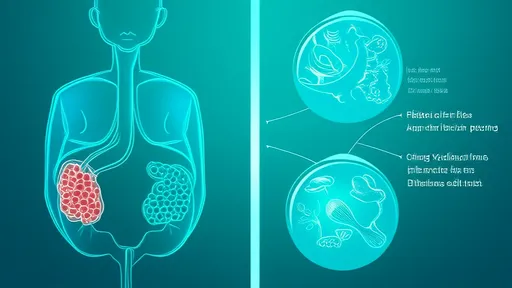
In the intricate ecosystem of the human gut, trillions of microorganisms coexist, playing a pivotal role in our overall health. The concept of feeding this internal community has moved beyond general advice to consume fiber. A new frontier in nutritional science is emerging, focusing on the selective targeting of specific bacterial strains through precisely designed prebiotic fibers. This approach, often termed precision prebiotics, moves us from a broad-spectrum, one-size-fits-all model to a more nuanced strategy of microbial management.
The traditional understanding of prebiotics has been rather simplistic: consume fiber, and it will feed the "good" bacteria. However, the gut microbiota is not a monolithic entity but a complex consortium of thousands of different species, each with unique functions and dietary preferences. A generic fiber like inulin, for instance, may promote the growth of various Bifidobacterium species. But what if the goal is to bolster a specific strain known for producing a particular beneficial metabolite, like butyrate, or one that can outcompete a pathogenic organism? This is where strain-specific selectivity becomes paramount.
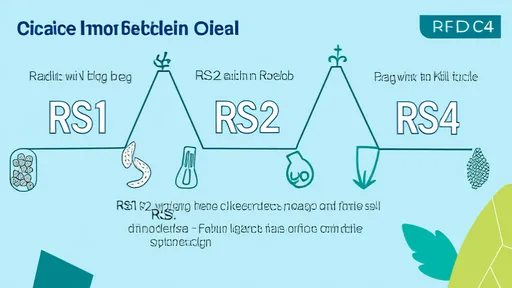
The mechanism behind this selectivity lies in the genetic makeup of the bacteria. Different bacterial strains possess unique sets of genes that code for enzymes capable of breaking down specific complex carbohydrates. A prebiotic fiber is essentially a complex carbohydrate that resits digestion in the upper gastrointestinal tract. When it reaches the colon, it becomes a food source, but only for those bacteria equipped with the right enzymatic tools to dismantle its particular molecular structure. Scientists are now mapping these preferences, identifying which specific oligosaccharide or polysaccharide structures serve as the preferred fuel for highly desirable bacterial strains such as Faecalibacterium prausnitzii, a key butyrate producer, or Akkermansia muciniphila, associated with improved metabolic health.
This research is powered by advanced technologies. Sophisticated genomic sequencing allows researchers to identify not just which species are present in a gut sample, but which genes they carry—essentially revealing their metabolic potential. This is coupled with metabolomics, which measures the small-molecule metabolites produced by these microbes. By conducting in vitro experiments using complex bioreactors that simulate the human colon, scientists can introduce a novel prebiotic fiber and observe, in real-time, which bacterial populations flourish and which metabolites are produced as a result. This data-driven approach moves beyond speculation to create a definitive menu of which fiber feeds which bug.
The potential applications of this targeted approach are vast and transformative. In clinical settings, it could lead to the development of next-generation synbiotics—combinations of a specific probiotic strain and the exact prebiotic fiber it needs to thrive. For a patient suffering from a condition linked to a depleted population of a certain bacterium, a clinician could prescribe a prebiotic regimen designed specifically to nourish and restore that population. This could be a game-changer for managing conditions like Irritable Bowel Syndrome (IBS), inflammatory bowel disease (IBD), and even metabolic disorders like type 2 diabetes, where the gut microbiome plays a recognized role.
Furthermore, the implications for personalized nutrition are profound. As gut microbiome testing becomes more accessible, individuals could receive a profile of their unique microbial community. Nutrigenomics companies could then provide tailored dietary recommendations, suggesting specific foods or supplements containing fibers that will selectively enhance the beneficial strains already present or introduce ones that are lacking. This moves health and wellness from generic advice to a truly personalized nutritional strategy, acknowledging that a food that is prebiotic for one person may not be for another, based on their distinct gut flora.
Despite the exciting promise, the path forward is not without its challenges. The human gut is a fiercely competitive environment, and introducing a new food source can have unintended consequences, potentially fueling less desirable organisms. Long-term studies are needed to ensure that selectively boosting one strain does not disrupt the overall ecological balance of the microbiota. Regulatory frameworks will also need to evolve to assess the efficacy and safety of these highly specific prebiotic compounds, which are more akin to targeted nutraceuticals than conventional food ingredients.
In conclusion, the era of blunt-force fiber supplementation is giving way to a more sophisticated age of precision prebiotics. By understanding and harnessing the specific dietary preferences of key bacterial strains, we are unlocking the potential to deliberately shape the gut microbiome for improved health outcomes. This research sits at the exciting intersection of microbiology, genomics, and nutrition, promising a future where we can truly curate our inner ecosystem through intelligent, targeted feeding strategies.
By /Aug 29, 2025

By /Aug 29, 2025

By /Aug 29, 2025

By /Aug 29, 2025

By /Aug 29, 2025
By /Aug 29, 2025

By /Aug 29, 2025

By /Aug 29, 2025

By /Aug 29, 2025

By /Aug 29, 2025
By /Aug 29, 2025

By /Aug 29, 2025

By /Aug 29, 2025

By /Aug 29, 2025

By /Aug 29, 2025

By /Aug 29, 2025

By /Aug 29, 2025

By /Aug 29, 2025

By /Aug 29, 2025

By /Aug 29, 2025