In the intricate world of fermentation, where microbial activity transforms raw ingredients into complex products, the margin between success and spoilage can be razor-thin. For centuries, artisans and producers have relied on their senses—sight and smell—to guide them. Today, a modern fermentation early warning system is emerging, one that intriguingly marries this ancient, intuitive wisdom with a simple yet powerful scientific tool: the pH test strip. This dual-criteria approach is not about replacing advanced technology, but about creating a more robust, accessible, and holistic first line of defense against fermentation failure.
The process of fermentation is fundamentally a biochemical dance driven by microorganisms like yeast and bacteria. These tiny actors consume sugars, producing a range of compounds including acids, alcohols, and gases. A successful fermentation maintains a delicate balance, where desirable microbes flourish and unwanted contaminants are kept at bay. The primary indicator of this balance is acidity, most commonly measured as pH. A significant and unexpected deviation in pH is often the first concrete sign that something is amassing—perhaps a harmful bacterial strain is outcompeting the culture, or the intended metabolic pathway has stalled. This is where the pH test strip, a humble piece of chemically treated paper, becomes a critical sentinel.
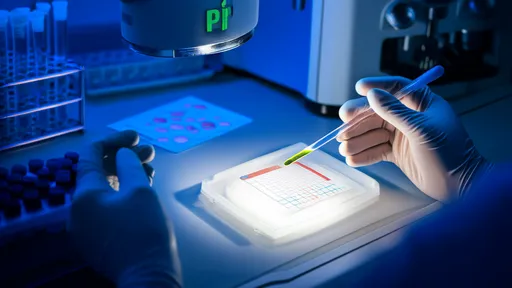
pH strips offer an objective, quantifiable snapshot of the fermentation environment. By providing a numeric value, they remove guesswork. For instance, in vegetable fermentations like sauerkraut or kimchi, a rapidly dropping pH is desirable, creating an environment that inhibits pathogens. A pH that fails to drop, or one that suddenly rises, signals a potentially dangerous stall. In alcoholic fermentations, an abnormal pH shift can indicate bacterial contamination (like acetobacter turning wine to vinegar) or a stressed yeast population. The strips are inexpensive, require no electricity, and provide results in seconds, making them an indispensable tool for both small-scale home fermenters and large commercial operations for quick, frequent checks.
However, relying solely on a number can be misleading. pH strips have limitations; they can expire, be misread under poor lighting, or simply not capture the full picture. A fermentation can have a "perfect" pH but still be spoiled due to other factors. This is why the second pillar of this early warning system—the subjective, learned human assessment through sight and smell—is equally vital. These sensory evaluations provide context and nuance that a number cannot.
The human nose is an exceptionally sensitive detector of volatile compounds. A skilled fermenter can discern a vast spectrum of aromas that signal the state of the culture. The pleasant, bready smell of active yeast, the clean acidity of lactic acid, or the complex esters in a maturing beer are all positive indicators. Conversely, a slew of off-odors act as immediate red flags. The pungent, rotten-egg smell of hydrogen sulfide suggests yeast stress in a wine must. A cheesy, sweaty aroma can indicate a Brettanomyces infection or butyric acid production. A moldy, musty smell is an obvious sign of surface contamination. These olfactory warnings often appear before a significant pH change is detectable, prompting immediate intervention.
Visual inspection complements the olfactory assessment. The fermenter looks for expected signs of healthy activity: steady bubbling from airlocks, a creamy krausen on top of beer, or the gradual softening and color change of vegetables in a brine. More importantly, they vigilantly search for visual anomalies. The appearance of kahm yeast (a white, powdery film) or, more worryingly, colorful fuzzy patches of mold on the surface requires action. Unexpected cloudiness in a previously clear liquid, oily films, or excessive, violent foaming can all point to microbial imbalances or infections. This visual scrutiny provides a continuous monitor, catching issues that might occur between periodic pH tests.
The true power of this system lies in the synergy between the two methods. They form a feedback loop that cross-validates findings and builds a more complete diagnostic picture. Consider a scenario: a winemaker testing a batch of fermenting grape must might get a pH reading that is slightly higher than expected. On its own, this is a minor data point. But if that slightly high pH is accompanied by a faintly unpleasant, cheesy aroma, the combination sets off a much louder alarm. The objective data (pH) confirms the subjective suspicion (the off-smell), compelling the winemaker to investigate further—perhaps measuring temperature or checking yeast nutrient levels—and take corrective action before the batch is ruined.
Conversely, the senses can also validate that a surprising pH reading is a false alarm. A fermenting hot sauce might register a pH that seems too acidic to be correct. If the smell is fantastically pungent and spicy with no off-putting notes, and the visual inspection shows no mold or discoloration, the fermenter might correctly conclude the pH strip is from an old, degraded batch or was misread. The sensory information provides the context to question the instrument, preventing an unnecessary and potentially harmful intervention based on a faulty measurement.
This dual-criteria system is profoundly democratic. It empowers everyone from a grandmother making traditional pickles in her kitchen to a craft brewer in a state-of-the-art facility. It does not require expensive spectrophotometers or HPLC machines. The investment is in education and experience—learning what the smells, sights, and numbers mean for a specific ferment. This knowledge turns the artisan into a skilled diagnostician. They learn that the sharp, vinegar smell in a sour beer is desirable, but the same smell in a intended-to-be-clean lager is a catastrophe. They understand that the same pH value can mean different things at different stages of the same fermentation.
In essence, this fermentation early warning system is a beautiful marriage of art and science. The pH strip provides the hard, objective data—the "what." The senses of sight and smell provide the nuanced, contextual narrative—the "why" and the "how bad." One without the other gives an incomplete story. Together, they form a robust, resilient, and deeply human system for safeguarding the ancient and valuable art of fermentation. They allow us to listen to what the microbes are telling us, both through the cold, clear language of chemistry and the ancient, intuitive language of our senses, ensuring that our ferments are not only safe but truly exceptional.
By /Aug 29, 2025
By /Aug 29, 2025

By /Aug 29, 2025
By /Aug 29, 2025
By /Aug 29, 2025
By /Aug 29, 2025
By /Aug 29, 2025

By /Aug 29, 2025

By /Aug 29, 2025
By /Aug 29, 2025
By /Aug 29, 2025

By /Aug 29, 2025
By /Aug 29, 2025
By /Aug 29, 2025
By /Aug 29, 2025

By /Aug 29, 2025
By /Aug 29, 2025
By /Aug 29, 2025

By /Aug 29, 2025

By /Aug 29, 2025