Cheese Melting Index: Interactions Between Casein Networks and Fat Globules

Aug 29, 2025 By

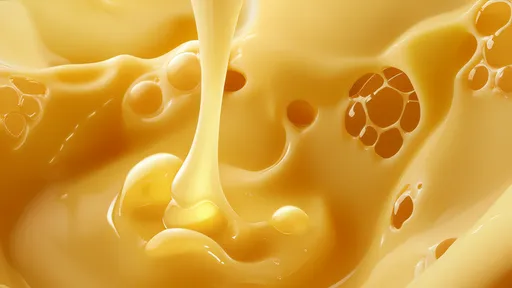
Cheese is far more than a simple dairy product—it is a complex colloidal system where science and art converge. Among the many characteristics that define cheese quality, meltability stands out as a critical functional property, especially for varieties used in cooking, such as mozzarella, cheddar, or gruyère. The ability of cheese to melt evenly, stretch, and brown without releasing excessive oil or becoming rubbery is highly prized by both chefs and consumers. This meltability is not a matter of chance; it is governed by intricate interactions within the cheese matrix, primarily between the casein network and fat globules. Understanding these interactions provides insight into how cheese behaves under heat and how its properties can be tailored for specific culinary applications.

The foundation of cheese structure lies in its protein matrix, predominantly composed of casein. During cheese making, casein proteins form a continuous network through coagulation, often aided by enzymes like rennet and the action of starter cultures. This network acts as the structural skeleton of the cheese, providing firmness and integrity. Within this protein matrix, fat globules are embedded like pockets, contributing to the richness, flavor, and texture of the final product. The size, distribution, and stability of these fat globules, along with the strength and density of the casein network, play pivotal roles in determining how cheese responds to thermal energy.

When heat is applied to cheese, several simultaneous transformations occur. The casein network begins to relax and loosen as the thermal energy disrupts hydrophobic interactions and hydrogen bonds that help maintain its structure. At the same time, fat globules start to melt and coalesce, transitioning from semi-solid to liquid state. The interplay between these two components—the softening protein matrix and the liquefying fat—dictates the melting behavior. If the casein network is too rigid or densely cross-linked, it may resist deformation, leading to poor meltability. Conversely, if the network is too weak, the cheese may become overly fluid or oily upon heating.

Fat globules are not passive occupants within the cheese matrix; they interact physically and chemically with the casein network. The membranes surrounding native fat globules, composed of phospholipids and proteins, can integrate with the casein matrix, influencing its continuity and stability. In many cheeses, however, mechanical processing such as cutting, stirring, and pressing during manufacture disrupts these native membranes, leading to partially coalesced fat pools. This disruption affects how fat is released and distributed during melting. Well-emulsified fat globules can lubricate the protein network, facilitating smooth flow and stretch, while excessive free fat can lead to oiling off and a greasy mouthfeel.

Cheese composition profoundly influences the casein-fat interactions. Moisture content, for instance, acts as a plasticizer, making the protein network more flexible and enhancing meltability. Higher fat content generally promotes smoother melting due to increased lubrication, but the ratio of fat to protein must be balanced. Varieties with low moisture and high protein, like parmesan, tend to melt poorly, whereas high-moisture, high-fat cheeses like brie melt readily. Additionally, the pH of cheese affects protein interactions; too acidic an environment can cause excessive protein aggregation, resulting in a crumbly texture that melts unevenly.

Processing steps such as aging, stretching, and heating further modulate meltability. During aging, proteolytic enzymes break down casein proteins, weakening the network and typically improving melt over time. In pasta filata cheeses like mozzarella, the stretching process aligns the protein fibers and distributes fat more uniformly, creating the characteristic stretchiness when melted. However, over-agging or improper storage can lead to excessive proteolysis or fat separation, detrimentally affecting melt quality. Thus, controlling these variables is essential for achieving desired functional properties in cheese.

The practical implications of understanding cheese meltability extend beyond the kitchen. For dairy manufacturers, optimizing melt is crucial for product consistency and customer satisfaction, especially for cheeses destined for pizzas, sandwiches, or processed applications. Food scientists often use instruments like the Meltability Index or dynamic rheology to quantify melting behavior, correlating it with compositional and structural parameters. By manipulating factors such as milk composition, culturing conditions, and mechanical treatment, producers can engineer cheeses with specific melting profiles to meet diverse culinary needs.

In conclusion, the meltability of cheese is a sophisticated dance between its protein architecture and lipid components. The casein network provides the structural framework, while fat globules influence lubrication, flow, and mouthfeel during heating. Their interaction, shaped by composition, processing, and aging, defines whether cheese will melt into a smooth, cohesive layer or separate into oil and rubbery aggregates. As research continues to unravel the nuances of these interactions, the potential to design cheeses with tailor-made melting properties grows, offering exciting possibilities for both traditional and innovative culinary creations.
Recommend Posts
Food

Glycemic Load: The Buffering Effect of Food Combinations on Insulin Secretion

By /Aug 29, 2025

In the intricate dance of human metabolism, few concepts have garnered as much attention in nutritional science as the glycemic index. Yet, for all its utility in categorizing carbohydrate-rich foods based on their blood sugar impact, the glycemic index tells only part of the story. It operates in a vacuum, measuring foods in isolation, which rarely reflects the reality of how we eat. Meals are combinations, symphonies of flavors and nutrients that interact in complex ways within our digestive system. This is where the concept of glycemic load and, more importantly, the powerful buffering effect of food combinations on insulin secretion comes into sharp focus, offering a more nuanced and practical approach to managing blood sugar through diet.
Food

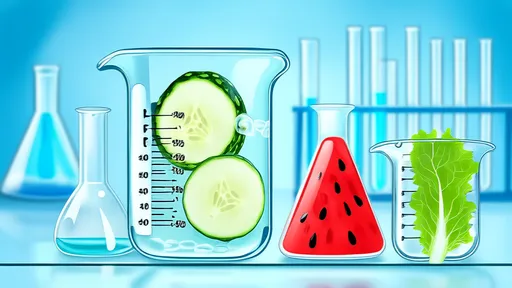
Water Content Ranking: The Hydration Efficiency of Cucumbers, Watermelons, and Lettuce

By /Aug 29, 2025

When discussing hydration, water bottles and sports drinks often dominate the conversation, yet nature provides some of the most effective and nutrient-rich sources of hydration through common fruits and vegetables. Among these, cucumber, watermelon, and lettuce stand out not merely for their high water content but for their overall contribution to fluid balance, electrolyte provision, and nutritional support. This report delves into the hydration efficacy of these three foods, examining how their composition makes them superior choices for maintaining hydration, especially in contexts where plain water might fall short.
Food

Superfood Origin Trace: Cultivation Status of Chia Seeds and Quinoa in Their Homelands

By /Aug 29, 2025

In the realm of superfoods, few have captured global attention quite like chia seeds and quinoa. These nutrient-dense powerhouses have transcended their ancient origins to become staples in health-conscious diets worldwide. However, behind their modern popularity lies a complex story deeply rooted in the agricultural traditions and environmental realities of their native lands. Understanding where these crops come from, how they are cultivated today, and the socioeconomic implications of their production offers crucial insights into the true cost of our nutritional choices.
Food

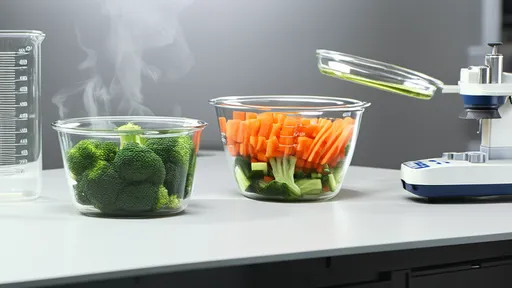
Nutritional Retention in Cooking: A Comparison of Vitamin Loss in Steaming, Microwaving, and Stir-Frying

By /Aug 29, 2025

In the modern culinary landscape, where health consciousness intersects with busy lifestyles, the conversation around cooking methods and nutrient preservation has never been more relevant. Among the most common techniques—steaming, microwaving, and stir-frying—each presents a unique profile of advantages and compromises, particularly concerning the retention of vital vitamins. Understanding these nuances is not merely an academic exercise but a practical guide for anyone looking to maximize the nutritional benefits of their meals without sacrificing flavor or convenience.
Food

Comparison of Sensitivity between ELISA and PCR Methods for Food Allergen Detection

By /Aug 29, 2025

Food allergen detection remains a critical component of modern food safety protocols, with laboratories worldwide relying on advanced methodologies to ensure consumer protection. Among the most prominent techniques employed are the Enzyme-Linked Immunosorbent Assay (ELISA) and Polymerase Chain Reaction (PCR). Each method offers distinct advantages and limitations, particularly concerning sensitivity—the ability to detect minute quantities of an allergen. Understanding the comparative sensitivity of these techniques is essential for food manufacturers, regulatory bodies, and quality control professionals striving to mitigate risks associated with undeclared allergens.
Food

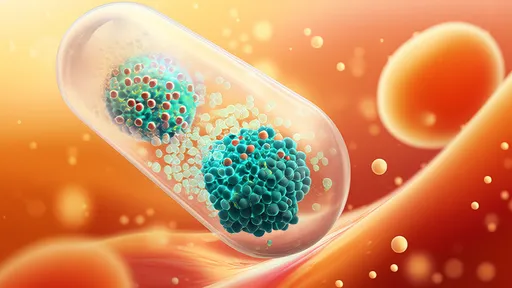
Probiotic Survival Challenge: Encapsulation Protection Technology in Gastric Acid Environment

By /Aug 29, 2025

The journey of probiotics from the manufacturing facility to the human gut is a perilous one, fraught with biological obstacles that threaten their viability and, consequently, their promised health benefits. The most formidable of these barriers is the highly acidic environment of the human stomach, a natural defense mechanism designed to break down ingested matter and neutralize pathogens. For live probiotic bacteria, this gastric passage is a gausting gauntlet where survival rates can plummet, rendering many products ineffective before they even reach their intended site of action in the intestines. This fundamental challenge has spurred a significant and sophisticated field of research dedicated to one critical objective: protecting these delicate microorganisms to ensure they arrive alive, active, and in sufficient numbers to confer a therapeutic effect.
Food

Post-Sweetener Taste Analysis: Stevia Glycoside's Bitter Aftertaste and Masking Techniques

By /Aug 29, 2025

The lingering bitterness of steviol glycosides remains one of the most significant challenges in the sweetener industry, a paradoxical aftertaste that shadows its natural, zero-calorie appeal. For food scientists and product developers, this bitter residue is not merely a minor inconvenience; it is a formidable barrier to consumer acceptance and market success. The quest to understand and mask this bitterness has evolved into a sophisticated scientific and commercial endeavor, driving innovation in both analytical chemistry and flavor technology.
Food

Omega-3 Bioavailability: Comparing the Absorption Efficiency of Algae Oil and Fish Oil

By /Aug 29, 2025

In recent years, the conversation around Omega-3 fatty acids has shifted from mere awareness of their benefits to a deeper understanding of how effectively our bodies can absorb and utilize them. Among the various sources available, fish oil and algal oil have emerged as the two primary contenders in the supplement market. While both are celebrated for their rich content of EPA and DHA—the two most biologically active forms of Omega-3s—their bioavailability, or the rate and extent to which they are absorbed into the bloodstream, has become a critical point of discussion for consumers, healthcare professionals, and researchers alike.
Food

Gut Microbiome Feeding: Selective Strain Specificity of Prebiotic Fibers

By /Aug 29, 2025

In the intricate ecosystem of the human gut, trillions of microorganisms coexist, playing a pivotal role in our overall health. The concept of feeding this internal community has moved beyond general advice to consume fiber. A new frontier in nutritional science is emerging, focusing on the selective targeting of specific bacterial strains through precisely designed prebiotic fibers. This approach, often termed precision prebiotics, moves us from a broad-spectrum, one-size-fits-all model to a more nuanced strategy of microbial management.
Food

Glass Transition Temperature: Optimal Freezing Rate Settings for Different Foods

By /Aug 29, 2025

The art and science of food preservation through freezing is far more nuanced than simply dropping temperatures below zero. At the heart of achieving optimal quality—texture, flavor, and nutritional integrity—lies a critical but often overlooked concept: the glass transition temperature (Tg). This isn't merely a number on a chart; it's a fundamental physical transition that dictates the very molecular behavior of water within our food. Understanding and respecting the unique Tg of different foodstuffs is what separates mediocre frozen products from exceptional ones. It is the key to unlocking freezing protocols that preserve food not just as a stable commodity, but as a culinary experience waiting to be thawed.
Food

Classification of Resistant Starch: Functional Characteristics and Food Sources of RS1-RS4 Types

By /Aug 29, 2025

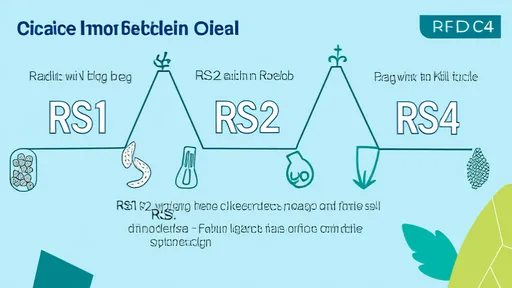
In the evolving landscape of nutritional science, resistant starch has emerged as a fascinating subject, capturing the attention of researchers, health professionals, and food enthusiasts alike. Unlike typical dietary starch, which is broken down and absorbed in the small intestine, resistant starch, as its name implies, resists digestion, traveling to the large intestine where it serves as a prebiotic, feeding the beneficial gut microbiota. This unique property underpins its significant health implications, ranging from improved glycemic control to enhanced digestive health. To fully appreciate its benefits, it is crucial to understand its classification into four distinct types: RS1, RS2, RS3, and RS4, each with unique functional characteristics and sources within our food supply.
Food

Bread Restructuring Plan: Pudding/Salad/Fried Bread Texture Transformation Techniques"

By /Aug 29, 2025

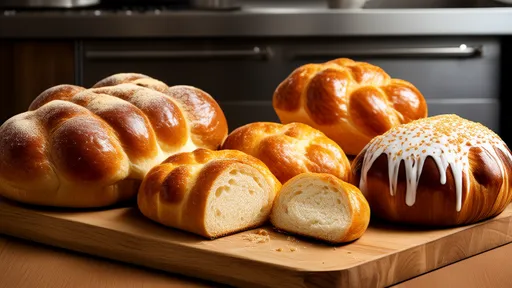
In the ever-evolving landscape of culinary arts, the concept of bread transformation has emerged as a fascinating frontier for chefs and food scientists alike. The idea of taking something as humble and fundamental as bread and reimagining its very essence speaks to a deeper desire for innovation and sustainability in our kitchens. This is not merely about using stale bread; it is a profound re-engineering of texture, flavor, and application, turning the ordinary into the extraordinary. The focus here lies on three particularly versatile categories: puddings, salads, and fried breads, each offering a unique canvas for texture modification.
Food

Fermentation Alert System: Dual Criteria of pH Paper and Visual-Olfactory Judgment

By /Aug 29, 2025

In the intricate world of fermentation, where microbial activity transforms raw ingredients into complex products, the margin between success and spoilage can be razor-thin. For centuries, artisans and producers have relied on their senses—sight and smell—to guide them. Today, a modern fermentation early warning system is emerging, one that intriguingly marries this ancient, intuitive wisdom with a simple yet powerful scientific tool: the pH test strip. This dual-criteria approach is not about replacing advanced technology, but about creating a more robust, accessible, and holistic first line of defense against fermentation failure.
Food

Spice Volatility Protection: Flavor Decay Curves of Whole-Grain Grinding vs. Pre-Grinding

By /Aug 29, 2025

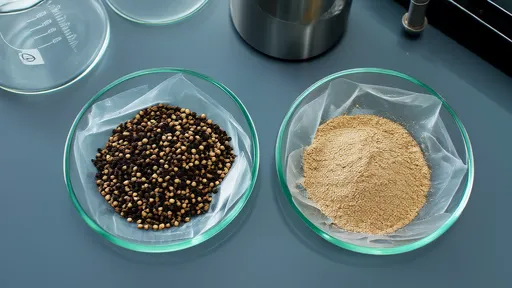
In the world of culinary arts and food science, the preservation of volatile aromatic compounds in spices remains a topic of both practical importance and scientific intrigue. The debate between using whole spices and their pre-ground counterparts has persisted for generations among chefs, home cooks, and food manufacturers alike. While convenience often drives the preference for pre-ground spices, a deeper understanding of how flavor compounds degrade over time reveals why many professionals insist on grinding spices immediately before use.
Food

Dry-Aged Monitoring: Solutions for Temperature and Humidity Fluctuations in Home Refrigerators

By /Aug 29, 2025

For home cooks venturing into the art of dry aging, the journey begins and often falters at the door of the humble kitchen refrigerator. Unlike their commercial counterparts, these appliances are engineered for food preservation, not the delicate, transformative process of aging meat. The core challenge lies in managing the volatile environment within. Temperature and humidity swings, the arch-nemeses of dry aging, are not just common in a standard fridge; they are a fundamental part of its normal operation. Successfully navigating this requires a blend of modern technology, simple hacks, and a deep understanding of the environment you are trying to create and protect.
Food

Reconstituting Dried Mushroom Flavor: A Comparison of Quick Activation with Hot Water and Slow Soaking with Cold Water

By /Aug 29, 2025

In the world of culinary arts, the rehydration of dried mushrooms stands as a fundamental yet profoundly impactful technique. Among the various methods, two primary approaches have long been debated by chefs and home cooks alike: the swift revival using hot water versus the patient, slow immersion in cold water. This exploration delves deep into the science and sensory outcomes of these contrasting methods, aiming to demystify the process and elevate the understanding of how we can best unlock the treasured flavors locked within dried fungi.
Food

Database of Smoke Points for Common Cooking Oils: Ranking Their Heat Resistance

By /Aug 29, 2025

When it comes to cooking, one of the most overlooked yet critical factors is the smoke point of oils. This characteristic determines how well an oil can withstand heat before breaking down, smoking, and potentially releasing harmful compounds. Understanding the smoke points of various cooking oils isn't just a matter of culinary technique—it's a fundamental aspect of creating healthier, better-tasting meals. Professional chefs and home cooks alike benefit immensely from this knowledge, as it directly impacts flavor profiles, nutritional value, and even safety in the kitchen.
Food

Differences in Aroma Components of Citrus Essential Oil Extracted by Cold Pressing and Distillation Methods

By /Aug 29, 2025

In the world of essential oils, few extracts capture the essence of nature’s vibrancy as distinctly as citrus oils. Among these, oils derived from the rinds of oranges, lemons, grapefruits, and bergamot hold a special place, celebrated for their bright, uplifting aromas that evoke sunshine and freshness. However, not all citrus oils are created equal. The very method by which these precious oils are extracted from the fruit’s peel plays a profound role in defining their aromatic signature and chemical composition. The two primary industrial methods, cold pressing and steam distillation, yield products that, while related, tell remarkably different olfactory stories.
Food

Cheese Melting Index: Interactions Between Casein Networks and Fat Globules

By /Aug 29, 2025

Cheese is far more than a simple dairy product—it is a complex colloidal system where science and art converge. Among the many characteristics that define cheese quality, meltability stands out as a critical functional property, especially for varieties used in cooking, such as mozzarella, cheddar, or gruyère. The ability of cheese to melt evenly, stretch, and brown without releasing excessive oil or becoming rubbery is highly prized by both chefs and consumers. This meltability is not a matter of chance; it is governed by intricate interactions within the cheese matrix, primarily between the casein network and fat globules. Understanding these interactions provides insight into how cheese behaves under heat and how its properties can be tailored for specific culinary applications.
Food

Vanilla Preservation Matrix: A Comparative Analysis of Hydroponic, Oil-Infused, Drying, and Freezing Methods

By /Aug 29, 2025

In the world of culinary arts, the preservation of herbs remains a topic of both tradition and innovation. Among the various methods available, hydroponic growing, oil immersion, drying, and freezing stand out as prominent techniques, each with distinct advantages and limitations. Understanding the nuances of these approaches can empower chefs and home cooks to make informed decisions that align with their culinary needs, storage constraints, and flavor priorities.